A roof does not need to fail everywhere before it deserves attention. Most roof problems begin in one limited area: a lifted shingle, a cracked vent boot, loose flashing around a chimney, a small opening near a skylight, or a valley that starts taking on water after a hard storm. The question homeowners ask is practical, not theoretical: if the damage is localized, is roof repair worth it, or is it just delaying the inevitable?
In many cases, a focused roof repair is absolutely worth it. Small leaks and isolated damage can often be corrected with targeted work such as sealing, replacing a few shingles, or repairing flashing. That is especially true when the roof is otherwise in serviceable condition and the problem has a clear source. A ceiling stain from roof leakage, for example, does not automatically mean the entire roof has failed. It means water found a path inside, and that path needs to be traced carefully.
The hard part is judgment. A good roof repair contractor is not simply patching what is visible from the ground. The contractor is deciding whether the visible damage is the whole problem or only the symptom. That distinction determines whether local roof repair saves money or becomes a repeat expense.
What “localized damage” really means
Localized roof damage is damage confined to a specific section or roof component. It might be a small cluster of missing shingles after wind, a leak at chimney flashing, a cracked area around a roof vent, or water entering near a skylight. It can also involve a limited section of flat roofing, a small puncture in a rubber roof, or storm damage from a falling branch.
The phrase sounds simple, but roofs rarely fail in neat circles. Water can enter at one point, travel along framing or underlayment, and show up several feet away as a ceiling stain. That is why roof leak detection matters. A stain in a bedroom ceiling may come from the roof directly above it, but it may also come from a higher roof plane, a valley, flashing, or a roof vent. When someone searches for “roof leak repair near me” after seeing a brown ring on drywall, what they really need is not just a patch. They need a careful inspection that connects the interior evidence to the exterior failure.
Roof repair usually means fixing leaks or localized damage rather than replacing the entire system. That could include caulking a small opening, replacing damaged shingles, correcting flashing, or securing an area that storm damage exposed. Recurring leaks are different. If a roof has been repaired multiple times and still leaks, the issue may be broader than one bad spot.
When roof repair is usually worth it
Roof repair is most likely worth it when the damage is limited, the roof is otherwise performing, and the cause can be identified. A few missing asphalt shingles after a wind event can often be handled through shingle roof repair. A leak around a chimney may call for chimney flashing repair rather than a full replacement. A skylight leak may come from the flashing system or seal around the skylight, not necessarily from widespread roof failure.
The economics are straightforward. Full roof replacement is significantly more expensive than minor repair. Average replacement figures commonly land around the high four figures, depending on the home and materials, while a small roof repair cost can be far less. That does not mean cheap roof repair is always the goal. It means the right repair, done before water spreads, can protect the home without forcing a premature replacement.
A typical example is a homeowner who notices a ceiling leak from roof damage after a storm. There is no active dripping by the next morning, only a stain. From the attic, an experienced roofer may find damp decking near a vent penetration. On the roof, the vent boot may be cracked or improperly sealed. In that case, roof vent repair and sealing may solve the problem. Replacing the whole roof would not be sensible if the rest of the roof is sound.
Another common case involves flashing. Roof flashing repair, especially around chimneys, skylights, and vents, is one of the more important forms of roofing repair because those transitions are natural weak points. Shingles shed water across broad fields, but flashing manages the intersections. When flashing fails, water often enters even if the shingles nearby look fine.
When a repair becomes a short-term patch
The phrase “patch roof or replace” comes up often because some repairs are only temporary. A patch can be a smart decision after storm damage when rain is still falling or when a roofing crew needs to stop active water intrusion before a permanent fix. Roof tarping and an emergency roof tarp can prevent additional interior damage while the proper repair is planned. But a tarp is not a roof repair in the permanent sense. It buys time.
Repairs become questionable when leaks recur in the same area or when several parts of the roof are failing at once. A contractor may replace a few shingles, only to find another leak after the next storm. Then another. Then another. At that point, the roof is sending a different message. The problem is no longer one localized defect. It may involve age, worn materials, deteriorated underlayment, widespread flashing issues, or installation problems.
Recurring leaks should be taken seriously. A homeowner may pay for a leaky roof repair three times and feel that repair “doesn’t work,” when the real issue is that the roof has moved beyond localized repair. That does not mean the first contractor was dishonest or the first repair was useless. It means roofs age as systems. Once failures appear in multiple places, roof repair vs replacement becomes the right conversation.
The inspection matters more than the stain
A visible drip is only the beginning of the diagnosis. Proper roof leak detection should include more than a quick look at shingles from the driveway. The inspection should consider the interior, attic, roof perimeter, exterior, and rooftop surfaces when safe and appropriate. This is how a roofing professional separates a small defect from a larger pattern.
Inside the home, stains, bubbling paint, damp insulation, and soft drywall can show where water has appeared. In the attic, a roofer may look for darkened sheathing, wet insulation, daylight through openings, or staining along rafters. Around the exterior, gutters, fascia, soffit, chimneys, vents, and skylights all roofer hanover matter. On the roof, missing shingles, cracked shingles, curled shingles, damaged flashing, and compromised valleys may point to the source.
This is also why homeowners should be cautious about climbing steep roofs themselves. Roof work is not a casual weekend inspection task, especially on steep slopes, wet surfaces, or after storms. Experienced roofers near me searches exist for a reason. A licensed roofing contractor or insured roofing contractor has the equipment, experience, and judgment to inspect without turning a repairable leak into a personal injury.
The repair areas that often decide the outcome
Localized roof damage frequently appears at penetrations and transitions. Chimneys, skylights, vents, valleys, ridge caps, fascia edges, and roof-to-wall intersections are common trouble spots. These locations carry more risk because water changes direction there, materials meet, and sealants or flashing details do more work.
Chimney flashing repair is a frequent example. A chimney interrupts the roof plane, and water must be guided around it. If the flashing is loose, corroded, poorly sealed, or separated from the masonry, water can enter while the surrounding shingles remain intact. The homeowner sees a ceiling stain near a fireplace or wall and assumes the roof is failing broadly. Sometimes it is not. It is a flashing problem.
Skylight leak repair follows the same logic. A skylight may leak because of failed flashing or nearby roofing details. Replacing shingles without addressing the skylight flashing can leave the leak unchanged. Roof vent repair is similar, especially where rubber components crack or seals fail over time.
Valleys deserve special attention because they collect and channel water from two roof planes. Roof valley repair may be minor if caught early, but ignored valley damage can send a substantial amount of water under roofing materials. Ridge cap repair also matters because ridge areas are exposed and can be vulnerable if caps loosen or deteriorate.
Even gutter repair can affect roof performance. Gutters do not make the roof waterproof, but poor drainage can contribute to water backing up at edges or spilling where it can damage fascia and soffit. Fascia repair and soffit repair sometimes become part of a broader local roof repair when edge details have been exposed to repeated moisture.
Material type changes the repair conversation
Not all roofs are repaired the same way. Asphalt shingle roof repair is common on residential properties because asphalt shingles are widely used and individual damaged shingles can often be replaced. Slate roof repair, tile roof repair, metal roof repair, cedar shake roof repair, and wood shake roof repair require different handling. Matching materials, protecting surrounding pieces, and using correct fastening methods all matter.
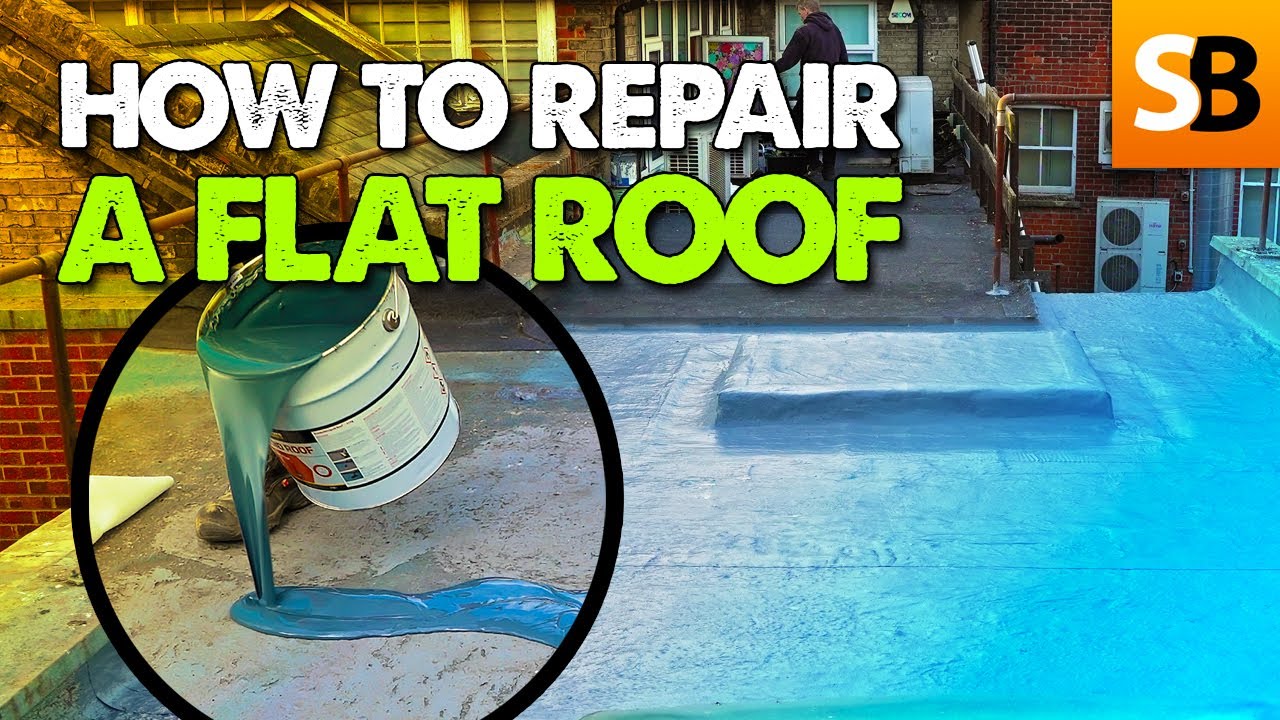
Flat roof repair also has its own rules. A flat roof may use materials such as TPO, rubber, or EPDM, and a leak may come from seams, penetrations, edges, punctures, or drainage issues. TPO roof repair, rubber roof repair, and EPDM roof repair require a contractor who understands the specific roof membrane. A surface patch that does not bond correctly or address the actual failure point may not last.
Commercial roof repair, industrial roof repair, apartment roof repair, and church roof repair can involve larger roof areas and different access concerns than typical residential roof repair. A mobile home roof repair may have its own construction details. The principle stays the same, though: localized damage is worth repairing when the cause is limited and the repair method fits the roof type.
This is where a roof repair specialist earns trust. The best roof repair is not always the most dramatic repair. It is the one that matches the roof material, solves the water path, and does not create new weaknesses.
Emergency repair has a different purpose
Emergency roof repair is about stopping active damage. If water is leaking from roof openings during a storm, or if a tree limb has punctured the roof, the priority is temporary protection and safety. Emergency roofing services may include roof tarping, temporary sealing, or covering damaged areas until a permanent repair can be completed.
Same day roof repair, 24 hour roof repair, or an emergency roofer can be valuable when water is actively entering the home. Searching for “emergency roof repair near me” or “roof repair open now” makes sense when there is an active leak, especially if interior damage is worsening. The important point is to understand what emergency service can and cannot do. During severe weather, a contractor may not be able to complete permanent roofing repair safely. An emergency roof tarp may be the responsible first step.
Urgent roof repair is also common after wind damage roof repair, hail damage roof repair, tree damage roof repair, ice dam roof repair, or other storm damage roof repair needs. A roof damage from storm event may leave missing shingles, exposed decking, damaged flashing, or punctures. In these situations, a temporary measure can be worth every dollar because it limits interior water damage while the homeowner gathers estimates, checks insurance, and schedules permanent work.
Insurance and localized roof damage
Many homeowners ask, “does insurance cover roof repair?” The answer depends on the cause of damage, the policy, and the condition of the roof. Insurance typically responds to covered perils such as wind, hail, or falling trees. Age and condition can affect how a claim is handled. A roof that was already worn or neglected may be treated differently from one damaged suddenly by a storm.
A roof repair insurance claim is strongest when the damage is documented clearly and tied to a covered event. Photos, inspection notes, and prompt reporting can help. A roof repair contractor may provide an estimate that describes visible storm damage and the proposed scope of work, but coverage decisions belong to the insurer.
There is a practical distinction here. If a storm tears off a small group of shingles, roof damage repair may be covered depending on the policy. If an old flashing detail has slowly failed over years, that may be treated differently. Homeowners should avoid assuming every leak is an insurance claim, but they should also avoid paying out of pocket for storm damage before checking the policy.
What roof repair costs, and why estimates vary
Roof repair cost depends on the roof type, access, location of the damage, severity of the leak, materials, and whether emergency service is needed. A small roof repair cost for replacing a few shingles is not the same as repairing a leaking valley, correcting chimney flashing, or opening a section of roof to address damaged decking. Roof deck repair raises the scope because the repair goes beyond surface materials.
Homeowners often search “how much does roof repair cost” or “average cost of roof repair” hoping for one number. The more useful answer is a range based on a real inspection. Roof repair prices can vary because two leaks that look identical from inside the house may require very different work on the roof. One may need sealant and flashing correction. Another may require removing roofing materials, replacing damaged sheathing, and rebuilding the area properly.
Roof leak repair cost also changes when time is a factor. Emergency roof repair, 24/7 roof repair, and same day roof repair may cost more than scheduled service because of timing, risk, and immediate response. That does not make it unreasonable. If active water is damaging ceilings, insulation, or finishes, delaying service to save on the call can cost more later.
A free roof repair estimate can be helpful, but homeowners should look beyond the number at the bottom. A good roof repair quote should identify the suspected cause, the area being repaired, materials being used, and any limits of the repair warranty. If a quote simply says “fix roof leak” without details, it leaves too much room for misunderstanding.
A practical way to decide: repair or replace
The question “should I repair or replace my roof” rarely has a one-sentence answer. A repair is usually favored when the problem is isolated and the rest of the roof is performing. Replacement becomes more reasonable when damage is widespread, leaks recur, or roof condition suggests that more failures are likely.
Use this short decision framework before approving work:
- Repair makes sense when the leak source is clear, damage is limited, and the surrounding roof is in acceptable condition. Replacement deserves consideration when leaks keep returning or multiple roof areas show damage at the same time. Temporary tarping is appropriate when water is actively entering and permanent work cannot be done safely right away. Insurance should be reviewed when damage follows wind, hail, or a falling tree. A second roof repair estimate is worthwhile when the recommended scope jumps from a small repair to full replacement.
This framework is not a substitute for an inspection, but it helps homeowners avoid two common mistakes. The first licensed roof cleaners Haddonfield mistake is replacing a roof because of one repairable leak. The second is paying for repeated patches on a roof that has already reached the point where replacement is the better investment.
New Jersey homeowners have extra reasons to check credentials
For homeowners looking for roof repair NJ, roof repair New Jersey, roof repair Newark NJ, or roof repair Essex County, contractor credentials matter. New Jersey requires home repair contractors to register with the Division of Consumer Affairs. Contractors involved in financed home-repair contracts need the appropriate home repair contractor license through the state banking and insurance department. Public work has its own contractor registration requirements through the state labor department.
For a homeowner, the practical takeaway is simple: do not choose a roof repair company based only on speed or price. Ask whether the contractor is registered as required, insured, and experienced with the type of repair you need. Roof repair companies vary widely. Some are excellent at asphalt shingle work but may not be the right choice for slate, tile, metal, TPO, rubber, or EPDM roofs. Some focus on residential roof repair, while others handle commercial roof repair or apartment roof repair.
Searching for “roof repair near me,” “roof repairs near me,” or “roofers near me” will produce plenty of names. The better filter is proof of qualification, clear communication, and a written scope. Roof repair reviews can help, but reviews should not replace verification. Top rated roof repair is only meaningful if the contractor is properly registered, insured, and suited to the job.
The danger of chasing the lowest price
Affordable roof repair is a good goal. Cheap roof repair can be risky if it means incomplete diagnosis, poor materials, or vague promises. The difference shows up after the next storm.
A low-cost patch may stop a leak for a few weeks. If it does not address failed flashing, damaged shingles, or an opening around a penetration, the water returns. Then the homeowner pays again, sometimes after more interior damage. Good repair work often costs more because it includes inspection time, proper preparation, correct materials, and accountability.
Roof repair financing may be useful when the repair is larger than expected, especially if the alternative is delaying work while water continues to enter. Still, financing should be approached carefully. The scope should be clear, the contractor should meet applicable licensing and registration requirements, and the homeowner should understand the terms.
A roof repair warranty is also worth discussing. Not all repairs can carry the same warranty because the surrounding roof condition matters. A contractor may stand behind the repaired flashing but cannot guarantee that an unrelated old shingle on another slope will not fail later. That kind of honest limitation is not a red flag. It is often a sign the contractor is being realistic.
How long does roof repair take?
How long does roof repair take depends on the damage and roof type. Some small repairs can be completed quickly once the contractor has inspected the area and has the right materials. More involved work, such as roof deck repair, roof valley repair, or complex flashing correction, can take longer. Weather and safe roof access also influence timing.
Emergency work may happen in stages. First comes temporary protection, such as roof tarping. Then, when conditions allow, the contractor returns for permanent repair. This staged approach can frustrate homeowners who want the problem solved immediately, but it is often the safest and most responsible method during bad weather.
A careful contractor will also avoid promising too much before inspection. If water has entered the attic, the visible roof surface may not tell the full story. Once materials are removed, hidden damage may appear. That does not mean every repair will grow in scope, but homeowners should understand that roofing repair sometimes reveals conditions that were not visible at the estimate stage.
What a reliable repair visit should include
A professional roof repair service should do more than point to a spot and name a price. The contractor should ask where the leak appeared, when it started, whether it happens only during wind-driven rain, and whether there has been recent storm activity. That history matters. A leak that occurs only during heavy wind may point to a different weakness than a leak that appears after every gentle rain.
The inspection should connect the interior symptom to the exterior condition. If there is a ceiling stain, the roofer should consider the attic and roof plane above it. If there is water near a chimney, flashing and surrounding roofing should be evaluated. If the problem is near a skylight, the skylight assembly, flashing, and nearby roof materials should all be considered.
A homeowner can reasonably expect a roof repair contractor to explain the likely cause, proposed repair, materials involved, and any uncertainty. Roofing is exposed work. Weather, age, and hidden layers can complicate even small jobs. Clear explanation matters because it helps the homeowner understand whether the contractor is selling a repair, a patch, or a replacement.
Localized repair across different property types
The same repair-versus-replacement logic applies across residential, commercial, industrial, apartment, church, and mobile home roofs, but the stakes and details can differ. A small leak in a house may damage a bedroom ceiling. A similar leak in a commercial building may affect tenants, inventory, electrical systems, or public areas. Apartment roof repair can involve coordination with occupants. Church roof repair may involve older materials or unique roof shapes. Industrial roof repair may require attention to operations and access.
The value of localized repair often increases when the building use makes disruption expensive. If a flat roof repair on a commercial property can stop a localized membrane leak without replacing the whole roof, that may be a strong business decision. But the same warning applies: if leaks recur or the membrane is failing broadly, repeated local repairs can become false economy.
The answer: yes, when the damage is truly localized
Is roof repair worth it for localized damage? Yes, when the damage is actually localized, the cause is found, and the repair matches the roof system. A few replacement shingles, corrected flashing, a repaired vent detail, or a properly handled skylight leak can extend the useful life of a roof and prevent interior damage. That is the best case for roof repair services: targeted work, done early, by someone qualified.
The value disappears when repair becomes guesswork. If the contractor cannot identify the source, if leaks keep returning, or if damage appears across multiple roof areas, the homeowner should step back and compare roof repair vs replacement honestly. A full replacement costs more, but repeated repairs on a failing roof can be expensive, stressful, and damaging to the home.
The smartest path is a careful inspection, a written roof repair estimate, and a contractor who is willing to explain both the repair option and its limits. Whether you are dealing with leaking roof repair after a storm, roof flashing repair near a chimney, flat roof repair on a commercial building, or urgent roof repair after tree damage, the principle is the same. Fix the specific failure when the roof still deserves repair. Replace the system when the failures are no longer isolated.